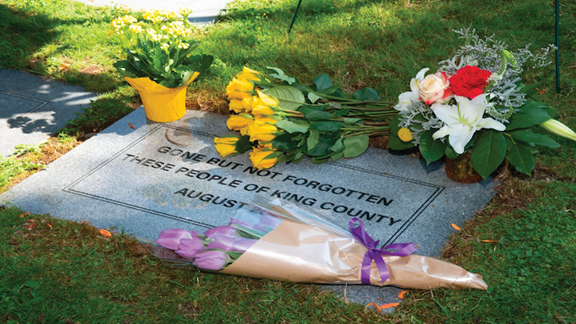
Homicide and assault
In the US in 2010, there were 16,259 homicides, accounting for 9% of all injury deaths. There were approximately 2.3 million additional people who suffered non-fatal injuries from violence-related incidents.
...(Center for Disease Control, Injury Data Tables, 2011 & Center for Disease Control, Youth Violence Report, 2012)
In comparison to the US, Washington has a lower rate of homicides 5.3 per 100,000 in the US in 2010 vs. 2.6 per 100,000 in Washington in 2010. This represents the lowest crime rate since 2000 however, firearm-related homicides still account for 63% of all homicides in Washington, revealing an important prevention opportunity. Overall, in 2010 in Washington, there were:
- 178 homicides in Washington, with the leading cause being firearms, followed by...
- 1,384 assaults, with the most common method being "struck by or against" this accounted for 510 of the assaults.
(Washington State Dept. of Health, Injury Data Tables, August 2012
King County represents a similar picture to Washington State. In 2010, there were 48 homicide deaths in King County one of the lowest years in the past decade. Again, a majority of these were firearm homicides (63%); however, the low number of homicides overall represents great strides in prevention work.
...(Washington State Dept. of Health, Injury Data Tables, August 2012
Nationally, for youth age 10-24 years old, homicide is the 2nd leading cause of death; it is the leading cause of death for African Americans in this same age group. Although socioeconomic status presents as a huge factor in such disparities, other contributing factors include firearm access, gang activity, family disruption and school failure.
- From 2006 to 2010 in King County, homicide was the 3rd leading cause of injury death for youth ages 10-24 years old
- 80% of youth homicides involve firearms
(Washington State Dept. of Health, Injury Data Tables, 2011)
Prevention resources
- CDC Morbidity and Mortality Weekly Report, May 13, 2011
This report presents national data from 2006-2007 on firearm homicides and suicides, giving the opportunity to compare across the 50 largest cities in the United States, including Seattle.
- LOK-IT-UP
Washington and King County campaign to make communities safer through safe storage of firearms.
- The National Center for Injury and Violence Prevention
Resource includes national stats and information on violence prevention, including information on child maltreatment, elder maltreatment, youth violence and intimate partner violence.
- The Prevention Institute
The Prevention Institute serves as a central focus for primary prevention practice, promoting policies, organizational practices and collaborative efforts that improve health and quality of life.
- STRYVE, A National Youth Violence Prevention Program
STRYVE (Striving to Reduce Youth Violence Everywhere) takes a public health approach to preventing youth violence before it starts. They provide communities with resources and tools to reduce youth violence.
- UNITY (Urban Networks to Increase Thriving Youth through Violence Prevention)
UNITY provides tools, training and technical assistance to help cities become more effective in violence prevention.
|