Unintentional injuries: Drowning

Summer Splash*Tacular 2007 Fashion Show video Summer Splash*Tacular Fashion Show
Learn about Public Health's Drowning Prevention activities and watch teen models show off the latest designs in lifejackets.

Drowning prevention video screenshot How can you stay safe in open water?
Watch this short video and learn the best ways to prevent drowning while swimming, boating, or while doing other water activities.

Private Residential Pools and Spas: Drowning Facts and Prevention Tips for Homeowners
Private Residential Pools and Spas: Important Information for Manufacturers/Retailers
Above Ground Private Residential Pools and Spas: Important Information for Customers
Above Ground Private Residential Pools and Spas: Important Information for Retailers

Overview

United States
The CDC reported that there were 3,306 unintentional drowning deaths in the United States in 2003, which is an average of nine people per day. This figure does not include boating-related drownings. The United States Coast Guard reported 697 boating-related fatalities and 3,451 boating-related injuries in 2005. About 70% of these boating-related fatalities were drownings.

Washington State
From 2000 to 2004, the WA Department of Health reported 521 Washington residents drowned. One hundred and eighteen (118) of these deaths were children and youths aged 17 or younger.

King County
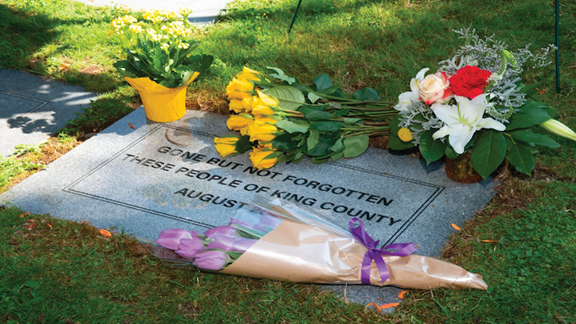
Between 2000 and 2004, the WA Department of Health reported 131 King County residents drowned; 23 of these deaths were children and youths aged 17 or younger. Public Healthdetermined that 31 people unintentionally drowned in King County in 2006. Five of these deaths were children aged 14 or younger and all of these deaths were preventable.

Near drownings

In 2005, the CDC reported that for every child aged 14 or younger who drowned, five received emergency care for non-fatal water-submersion injuries. More than 50% of these children required hospitalization.

Non-fatal drownings may damage the brain and cause long-term disabilities such as memory problems, learning disabilities, and even permanent loss of basic functioning.

Groups at risk

According to the CDC, populations at highest risk for drowning include:

Risks

Children

The CDC states that children under one most often drown in bathtubs, buckets, or toilets. Children ages one to four drown most often in residential swimming pools.

Most young children who drowned in pools:

Alcohol use

The CDC states that alcohol use is involved in 25% to 50% of youth and adult deaths associated with water recreation. Alcohol affects balance, coordination, and judgment. Sun exposure and heat can heighten the effects of alcohol.

Boating

In the United States in 2005, the U.S. Coast Guard reported 4,969 boating “accidents”; 3,451 people suffered non-fatal injuries in these incidents and 697 people died. In 2005, in Washington, 25 people died in boating incidents and 82 were injured.

About 70% of the people who died in U.S. boating “accidents” drowned (491 out of 697). The remainder died from trauma, hypothermia, carbon monoxide poisoning, or other causes. Eighty-seven percent (87%) of the people who drowned were not wearing a personal flotation device.

The U.S. Coast Guard reported that capsizing and falling over board were the most common types of fatal boating incidents. Alcohol use was a contributing factor in about 25% of all boating fatalities in the U.S. in 2005.

Prevention

Know the water – Washington’s lakes and rivers are cold enough to cause hypothermia, even in the summer and even among the strongest swimmers.

Ways to stay safe:

Know your limits – Drowning often happens when someone is swimming and becomes tired. People usually drown in silence and without attracting attention. It is a myth that people wave their arms and shout for help - the struggle to breathe and stay afloat is too difficult!

To stay safe:

Wear a life jacket - In 2005, 87% of people who drowned in boating incidents in the USA were not wearing a lifejacket or other type of personal floatation device (PFD). The US Coast Guard estimated that in 2005, over 426 lives would have been saved if boaters had worn PFDs.

The Seattle - King County Drowning Prevention Coalition

The Seattle-King County Drowning Prevention Coalition was formed in 1991 with a small grant from the CDC. The WA Department of Health, Injury Prevention Program administered the grant. The coalition’s early goal was to prevent death and injury from all types of drownings and near-drownings.

Public Health - Seattle & King County, the Harborview Injury Prevention and Research Center, Children’s Hospital and Regional Medical Center, and the WA Department of Health have provided the coalition with leadership and guidance over the past 16 years.

The initial CDC funds lasted two years and helped establish one of the largest and most diverse drowning prevention coalitions in the country. Members include representatives from government parks departments, marine patrol units, victims groups, boating groups, the Washington State Insurance Council, the American Red Cross, the US Coast Guard, and others. When CDC funding ended, the coalition was able to continue with funding from Public Health - Seattle & King County.

Subsequent funding from the U.S. Department of Health and Human Services (administered through the WA Department of Health - Injury and Trauma Prevention) made it possible for Children’s Hospital to coordinate the coalition and for members to join the WA Drowning Prevention Network.

Over the years, the coalition has worked to reduce drowning in open water, like lakes, rivers, and Puget Sound. In addition, members have worked to prevent drownings in swimming pools, spas, and water parks. Members have also strived to eliminate in-home drownings that occur in bathtubs, toilets, and buckets.

Recently, the coalition and its statewide partners have focused on preventing drownings among children and youth. Additionally, the coalition continues to promote water safety, track and review drowning fatalities, share information and expertise, and advocate for policies that prevent drownings. Successes include the passage of a lifejacket law for children and the prohibition of swimming in the Lake Washington Canal.

The coalition and statewide network also sponsor family-centered “April Pools Day” and teen-focused “Summer Splashtacular” events.

Local prevention activities


Ron Sims honors local water safety heroes

Watch full video of the 2006 April Pools Day event in RealMedia format.
The Seattle – King County Drowning Prevention Coalition adapted an Arizona water safety event, “April Pools Day,” for local use.

April Pools Day events usually combine fun, water safety activities, and a free swim for families. In King County, April Pools Day is also a time to honor local heroes who performed water rescues during the previous year.

Many pools in King County and around Washington hosted April Pools Day events. More information: www.seattlechildrens.org/dp/materials.htm

"Summer Splashtacular"

“Summer Splashtacular” is another water safety event that teaches teens, children, and families how to stay safe at the beach or in open water. In 2007, “Summer Splashtacular” events were planned throughout June. For more information or a kit to plan your own “Summer Splashtacular” day, click the following link: www.seattlechildrens.org/dp/summer_splash_planning.htm

Drowning prevention resources


Get Adobe ReaderSome items on this page are in Adobe PDF format. Adobe Acrobat Reader must be installed on your computer to open PDFs. Download and install Reader for free.

Real One Media Player logoTo watch the streaming videos you must have the latest version of RealMedia Player installed on your computer. If you don't have RealMedia Player, install the free version of RealPlayer at real.com.

learn more
Public Health's Water Recreation Program
Information for owners/managers of public and semi-public pools and spas. Learn about the plan review process, inspections, download forms and applications, rule posters, and other resources.

Swimmer's itch facts