
 Translate
Snoqualmie-Skykomish Watershed
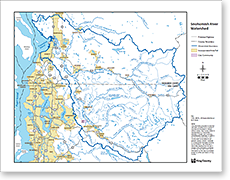
Snoqualmie-Skykomish area interactive map
The Snoqualmie - Skykomish Watershed is comprised of two separate watersheds that drain the rural northeast 2/5 of King County. The Snoqualmie and Skykomish Rivers flow into the Snohomish River and out into Puget Sound. The watershed includes the Tolt River, Raging River, Miller River, Tokul Creek, Griffin Creek, Harris Creek, Patterson Creek, and other tributaries.
Snoqualmie - Skykomish Watershed overview
Snoqualmie - Skykomish Watershed facts
Community service centers
Information about nearby King County satellite offices including the one in Issaquah, 5415 220th Ave S.E. Phone number, 206-477-2169.
Community Service Areas
Unincorporated areas where King County serves as the local government; the Snoqualmie Valley/Northeast King County Community Service Area (CSA) is the largest CSA in the County.
Basin Steward Program
Find out what Water and Land Resources' Basin Steward Program does and how to contact your Basin Stewards.
Highly Focused Stewardship in the Snoqualmie River - Raging River and Patterson Creek Basins
Goals, accomplishments and final report for an EPA grant project to improve environmental conditions in Raging River and Patterson Creek watersheds.
Flooding and hydrology
King County Flood Warning System
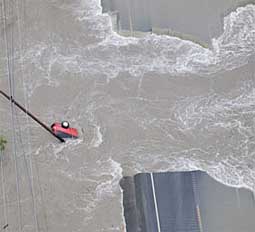
Real-time gage readings, flood phase/river crest descriptions, maps and reports for the Snoqualmie River, Skykomish River, Tolt River, and Raging River in the Snoqualmie River Watershed.
Look up #SnoqualmieFlood on Twitter
Flood photo viewer
Use a map to to look up photographs of past floods on the Snoqualmie River and its tributaries and other rivers in King County.
Hydrologic gage data map
Look up detailed gaging station data for creeks and rivers in the region.
Farm Pad Program
Find help with building a farm pad to protect livestock in King County floodplains.
Tolt River Corridor Action Plan
Actions to reduce flood risks and improve habitat along the Tolt River corridor.
Snoqualmie flood-farm task force report
Provides finding and recommended mechanisms to help Snoqualmie Valley farms that get periodically flooded, in ways that maintain good floodplain management and continue salmon recovery in the lower Snoqualmie River.
South Fork Snoqualmie River Gravel Removal Study
Evaluates the effectiveness of gravel removal for reducing floods on the South Fork Snoqualmie River upstream of the North Bend Boulevard (Bendigo) Bridge.
Salmon recovery

Salmon conservation and recovery in the Snoqualmie/ Skykomish watershed
A "one-stop" reference for local residents, elected officials, and city and agency staff members who are interested in salmon conservation in the Snoqualmie-Skykomish Watershed.
WRIA 7 plans, studies and maps
- Final WRIA 7 salmon conservation plan
Snohomish River Basin - Fall City Feasibility Report (Acrobat pdf)
- Snoqualmie Water Quality Synthesis Report
Snohomish Watershed Salmon Recovery Planning (external link)
Site provides comprehensive salmon conservation info and plans for the Snohomish Watershed (WRIA) from Snohomish County Surface Water Management.
Snoqualmie Watershed aquatic habitat conditions report, 1999-2001
This report summarizes and interprets data collected in the field from 1999-2001 about habitat conditions for multiple species of salmonids and other aquatic biota in aquatic ecosystems of the Snoqualmie Watershed, including the mainstem Snoqualmie River and several of its tributaries.
Snoqualmie Watershed geology report
An overview of the geology and geomorphology of the Snoqualmie River Watershed.
Snoqualmie Watershed stream habitat reconnaissance report
Assessment of habitat conditions, presence and relative distribution of salmonid species and other aquatic biota in 14 rivers and streams in the lower Snoqualmie Watershed.
Surface water management and groundwater
Report problems: drainage and water quality
Stormwater runoff pollution and how to reduce it.Tips on how to reduce water pollution from home, yard, car, pets and so forth.
Agricultural waterway classification maps
Agricultural waterways are classified for their salmonid use to simplify maintenance permits for agricultural drainage ditches.
Snohomish River watershed map
Drainage map displaying streams, lakes, drainage divides, cities, and major roads in the area draining to the Snohomish River, including Snoqualmie-Skykomish River in King County. The map is in Acrobat format. File size is 2.48 Mb.
East King County Groundwater Management Area
Learn about plans to protect the aquifer in the east King County area including the Snoqualmie-Skykomish watershed localities of Duvall, Carnation, Fall City, Snoqualmie, North Bend, and areas in between.
Urbanization of Aquatic Systems: Degradation Thresholds, Stormwater Detection and the Limits of Mitigation (Acrobat pdf, external)
King County study concluding that "approximately 10 percent effective impervious area in a watershed typically yields demonstrable, and probably irreversible, loss of aquatic-system function."
Patterson Creek rapid rural reconnaissance report
This document will help guide the surface water-related work King County performs in Patterson Creek basin. Look up priority drainage, habitat, and water quality projects, acquisitions, studies, and programs to be funded over time by surface water management fees dedicated to King County's capital budget.
Carnation wastewater treatment plant
Overview of the valley's wastewater treatment plant describes how it highly treats wastewater and reclaims water to discharge through the naturally filtering wetland at Chinook Bend Natural Area.
Pollution monitoring
Rivers and streams: ongoing water quality sampling in Lake Washington streams and rivers. Water quality data are available online for:
- Ames Creek
- Cherry Creek
- Griffin Creek
- Harris Creek
- Patterson Creek
- Raging River
- Skykomish River
- Snoqualmie River - North Fork, Middle Fork, and South Fork
- Tolt River
Lakes: statistics and water quality
Lake Weedwatcher Program
Got a small boat? Interested in saving a lake from the horrors of dense weed infestations?
Recreation and appreciation
Snoqualmie Valley trail
The Snoqualmie Valley trail offers the opportunity to get out and explore one of the most beautiful agricultural valleys in the region. The trail meanders past working farms as well as preserved open space areas, and connects to the cross-state John Wayne pioneer trail in Iron Horse State Park. Points of interest include Tolt-MacDonald park, Meadowbrook farm, Three Forks natural area and the Tokul trestle.
King County natural areas:
Look up individual properties protected in King County's open space system for their ecological and working resource values. The natural lands site provides addresses, pictures, location maps and rules for public use:
- Carnation Marsh Natural Area
- Chinook Bend Natural Area
- Fall City Natural Area
- Griffin Creek Natural Area
- Little Si Natural Area
- Middle Fork Snoqualmie Natural Area
- Moss Lake Natural Area
- Nowak Natural Area
- Patterson Creek Natural Area
- Raging River Natural Area
- Ring Hill forest
- Stillwater Natural Area
- Three Forks Natural Area
- Tolt River Natural Area
Fall City Land Acquisition Strategy and Community Outreach Project
King County’s long-term strategy for conserving open space around Fall City to benefit area residents.
Virtual tours of rural cities in King County
Videos showcasing Duvall, Snoqualmie and Fall City in the Snoqualmie-Skykomish Watershed.
Snoqualmie River safety video
Tips for safety, good stewardship and recreational enjoyment out on the river.
Hazards in King County rivers
Overview of risks associated with river-related recreation and resources for water, boating and river safety.
Fishing regulations and seasons (external link)
Washington Dept. of Fish and Wildlife fishing rules for Washington State including Snoqualmie River and Skykomish River, their tributaries and lakes within the watershed.
Volunteer for upper Snoqualmie trails Weed Watcher Program
Plant enthusiasts and hikers, you can help protect our natural areas.
Land Resources
Quality assurance project plan for regulatory effectiveness monitoring for developing rural areas
Framework to monitor and evaluate land use regulations to help ensure their effectiveness, using indicators for hydrology, water quality, biology, and stream complexity.
Noxious weed infestation map
Interactive map showing location of regulated noxious weed infestations.
Snoqualmie - Skykomish Weed Management Area noxious weed control projects:
Agriculture in King County, Washington
Info about several programs serving growers in King County and resources promoting local agriculture. The Snoqualmie Valley encompasses one of King County's larger agricultural districts.
- FARMS Report - Future of Agriculture Realizing Meaningful Solutions
Report describes the findings of a study that determining what measures King County and other agencies should take to ensure the continued success of local agriculture.
Forestry services and information
Info about several King County programs serving foresters and homeowners involved in forestry.
Current use taxation programs
Incentive programs to help encourage private landowners to voluntarily conserve and protect land resources, open space and timber.
Documents
Related information
- King County watersheds map
- Puget Sound marine topics
- Flooding services and information
- King County environment
Related agencies
- Dept. of Natural Resources and Parks
- Water and Land Resources Division
- Wastewater Treatment Division
- Parks and Recreation Division
Sign up for river hazard updates:
Oct. 6, 2023
See how King County will use large wood to reduce flood risks and restore habitat for fish and wildlife
Feb. 22, 2023
External article, Snoqualmie Valley Record
Fall City aims to preserve ‘rural character’ amid unprecedented housing growth
Jan. 26, 2023
External report, KUOW
RIP Washington’s Hinman Glacier, gone after thousands of years
