
 Translate
About the Wastewater Treatment Division
Our regional wastewater treatment system has a big job to do. Not only does it operate around the clock to sustain a healthy environment, this vital infrastructure supports economic development that enables our region to thrive.
King County is committed to recovering and reusing the products of the wastewater treatment process. Beneficially recycling the treated water and nutrient-rich biosolids and recovering energy from waste gases increases the efficiency of our wastewater treatment plants, conserves resources, protects the environment, and saves money.
Most recent WTD news release (view past news releases)
Sewer system services
Find information about the programs and services operated by WTD that support King County's regional wastewater conveyance and treatment system.
Learn about sewer system services.
Wastewater programs
Learn about WTD's programs to improve water quality, plan and prepare our wastewater system for regional growth, and protect public health and the environment.
Learn about our wastewater programs.
Capital projects
Find information about WTD's capital projects, including project descriptions, locations, and status, and how to sign up for project updates.
Learn about our capital projects.
Resource Recovery
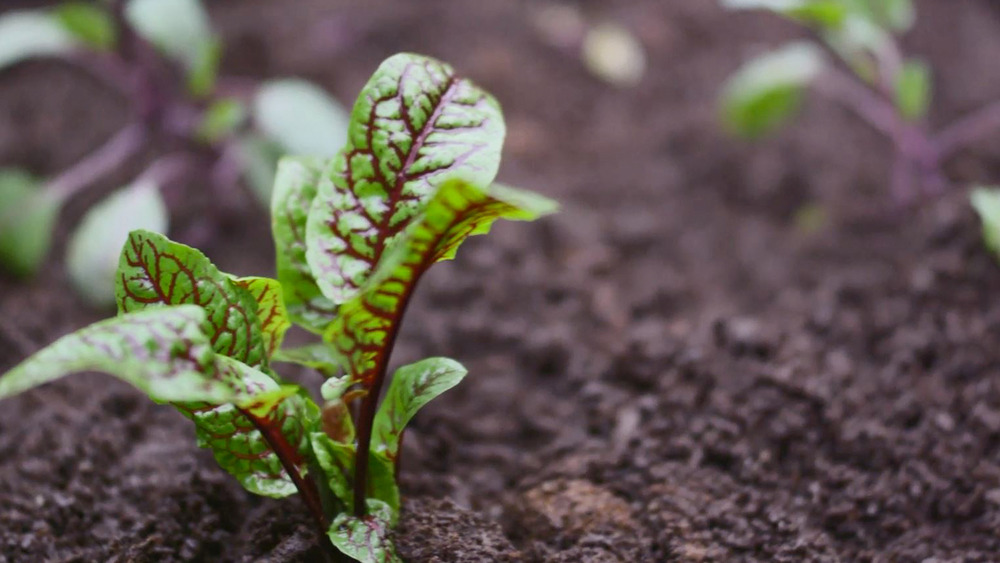
Learn how Resource Recovery provides leadership around sustainability and the reuse of valuable products to support the mission of WTD to protect public health and the environment.
Learn more about Resource Recovery.
Water, education, and community
WTD provides educational experiences about water for all ages, spaces for community events, and places to enjoy nature.
Learn more about water, education, and community.
Wastewater treatment facilities
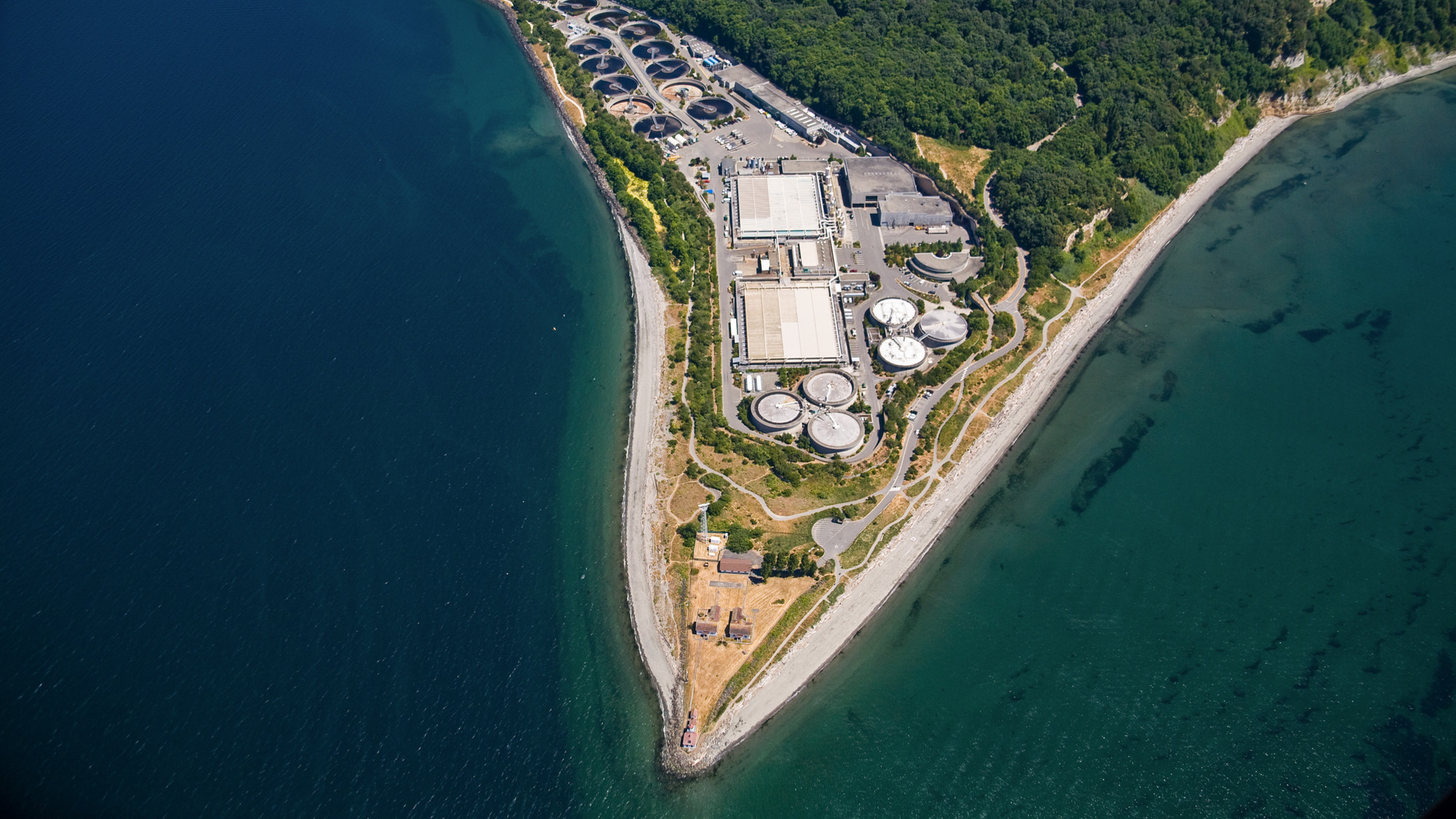
The wastewater treatment plants within King County's service area include 3 large regional wastewater treatment plants, 2 small wastewater treatment plants, and 5 combined sewer overflow treatment facilities.